
When cooler weather arrives, skincare professionals often start talking about one thing: Peel Season. But what exactly is a chemical peel? Does your skin actually peel? And how do you know which chemical peel in Colorado Springs is right for you?
Chemical peels are professional exfoliating treatments that use carefully selected acids to remove dead/damaged surface cells and encourage smoother, brighter, and more even-looking skin. The acids lower the skin’s pH and weaken the “glue” between skin cells, allowing the skin to shed more efficiently. They can be an excellent option for addressing concerns such as acne, congestion, hyperpigmentation, sun damage, rough texture, dullness, and visible signs of aging (different peels accomplish different things).
Why Is Fall Called “Peel Season?”
Chemical peels can make the skin more sensitive to UV exposure, which makes sun protection especially important before and after treatment. During fall and winter, many of us naturally spend less time in intense sunlight than we do during the summer months. That can make the cooler seasons a convenient time to begin a series of professional resurfacing treatments.
That doesn’t mean you get to put away your sunscreen, though! Broad-spectrum SPF is an essential part of your skincare all year long.

What Happens During a Chemical Peel?
Despite the name, a chemical peel does not necessarily mean your skin will dramatically peel. Different acids penetrate and exfoliate the skin differently. Some treatments may produce little or no visible flaking, while stronger resurfacing treatments may result in several days of dryness, tightness, and/or peeling.
Visible peeling is not the measurement of a successful treatment. The goal is controlled exfoliation that improves the appearance and health of the skin while protecting the skin barrier.
At Living Waters Renewal, every chemical peel begins with an evaluation of your skin, concerns, homecare routine, and treatment history. The peel is then selected according to what your skin actually needs and what it can tolerate.
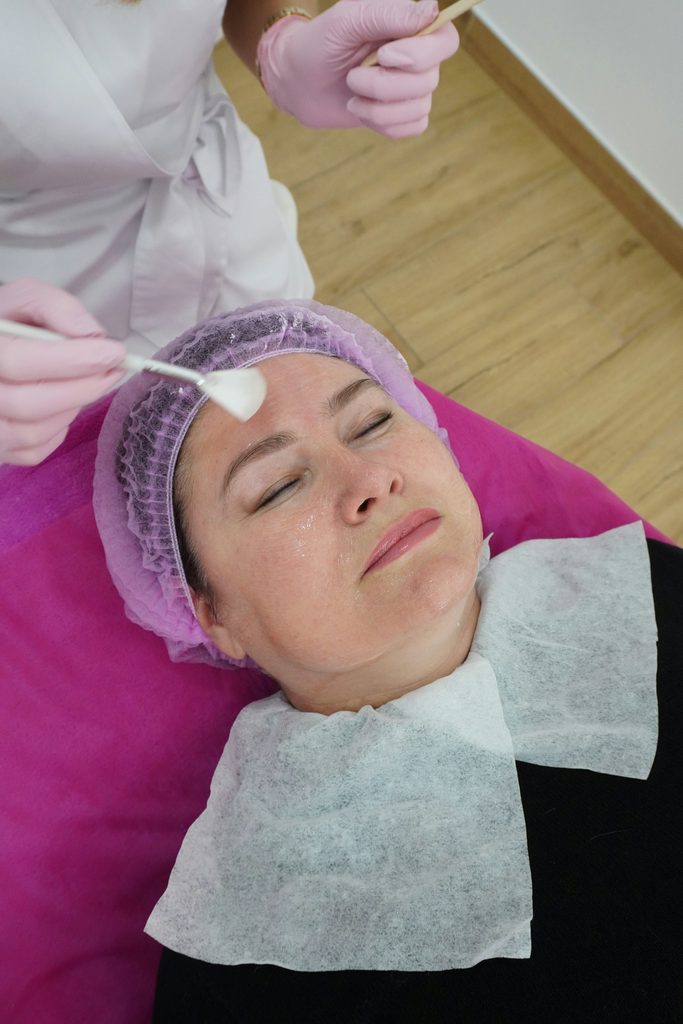
The facial begins with a gentle cleanser, then a second cleanse, and a “degreasing” of your skin. The selected peel is used and left on the skin. The next step is neutralizing the peel. Some peels need to be neutralized and some are self neutralizing. Self neutralizing peels are left on the skin until there is no tingling. Then SPF is applied. Homecare products and instructions are sent home.
Chemical Peels Available at Living Waters Renewal
PUMPKIN PEEL w/15% LACTIC ACID aka PUMPKIN SPICY FACIAL — This peel combines pumpkin-derived enzymes with lactic acid to exfoliate the skin while helping improve the appearance of dullness, uneven tone and rough texture. It can be an especially nice choice for normal to dry skin and clients concerned with pigmentation, sun damage, or visible signs of aging.
CRANBERRY PEEL w/20% SALICYLIC ACID aka CRANBERRY PUNCH FACIAL — This peel is designed to help improve congestion, excess oil, and uneven texture. That means its great for acne-prone or congested skin. The salicylic acid gets deep into the pores and clears them out.
LACTIC LIGHTENING PEEL — This peel contains 20% lactic acid and helps to brighten and hydrate the skin. This is a good option for clients concerned with hyperpigmentation, uneven tone or texture, dullness, dry or dehydrated skin, early signs of aging, and first-time peels.
GLYCOLIC RENEWAL PEEL — Glycolic acid has the smallest molecular size of all the AHAs (alpha hydroxy acids) and this small size allows it to penetrate the skin efficiently and creates a more intensive exfoliation. This peel can help improve cell turnover, rough or uneven texture, fine lines, sun damage, and hyperpigmentation.
10% TCA PEEL SERIES aka TCA DEPIGMENTATION PEEL SERIES — TCA, or trichloroacetic acid, is a resurfacing ingredient used to create a stronger exfoliating response. This peel also contains azelaic acid, kojic acid, and alpha-arbutin. This service spans an 8 week time period and builds tolerance before the application of the TCA peel.
Which Chemical Peel Do I Need?
You don’t have to decide that yourself! We will work on that together through our initial consultation and skin analysis. Before performing a peel, we will consider factors including:
- Your skin type and current condition
- Your primary skincare concerns
- Pigmentation and risk of post-inflammatory hyperpigmentation
- Prescription and OTC skincare products
- Recent exfoliating treatments
- Sun exposure
- Previous reactions to professional treatments
- Your goals and expected downtime
From there, I can select an appropriate treatment and determine whether your skin is ready for a peel. Sometimes the best treatment decision is to prepare the skin first.
What Should I Expect After a Chemical Peel?
Your aftercare will depend on the peel performed. You may experience temporary redness, dryness, tightness, or flaking. You will be sent home with a gentle cleanser and a barrier supporting moisturizer along with some SPF. Avoid picking or pulling at peeling skin, harsh scrubs, strong exfoliating acids, and unnecessary irritation. I am available for any questions or concerns; you are not alone in your treatment recovery!
Do I Need More Than One Peel?
One treatment can leave the skin looking brighter and smoother but a series of peels is going to tackle skin concerns such as acne, hyperpigmentation, aging, and sun damage. Most often, better results are produced in a thoughtfully planned series of peels rather than trying to accomplish everything with one aggressive peel.
Chemical peels can be powerful tools — but stronger is not automatically better. The best chemical peel in Colorado Springs is the one that is appropriate for your skin, your goals, and where your skin is today. We will determine the best approach for your skin together 🤍

Leave a Reply